Potential Disasters in Netarts and Surrounding Areas

Netarts is subject to a variety of potential disasters. The more you know about each of these risks, the better able you are to prepare. Ready.gov and the American Red Cross are useful informational websites. During and after a disaster, the emergency medical system will be in high demand, and help may be delayed. Learning how to treat different injuries and illnesses can prepare you and the people you care about and help save lives. You are the help until help arrives.


Click here for the Red Cross recommendation of contents for a first aid kit.

Earthquakes & Tsunamis

The Oregon Coast is prone to earthquakes and thus to the threat of tsunamis as well. The worst case would be a major rupture on the Cascadia Subduction Zone just offshore. The violent shaking would be felt all along the coast and be followed in a matter of minutes by a tsunami, which would cause major damage. Earthquakes in remote locations – Alaska, South America, Asia, or other places around the Pacific Ocean – are of minor concern.

The rule for earthquakes on the coast is: If you feel the quake, move to high ground immediately. If you don’t feel the quake, just stay off the beach or out of low-lying coastal areas.

Know The Terms:

  • Information Statement: No threat or very distant event and threat not determined. Relax!
  • Watch:  A distant tsunami is possible. Stay tuned for information. Be prepared to act.
  • Advisory: Strong currents and waves dangerous to those in/very near water possible. Stay out of water, away from beaches and waterways.
  • Warning: Dangerous coastal flooding and powerful currents possible. Move to high ground or inland.

Storms & Wind

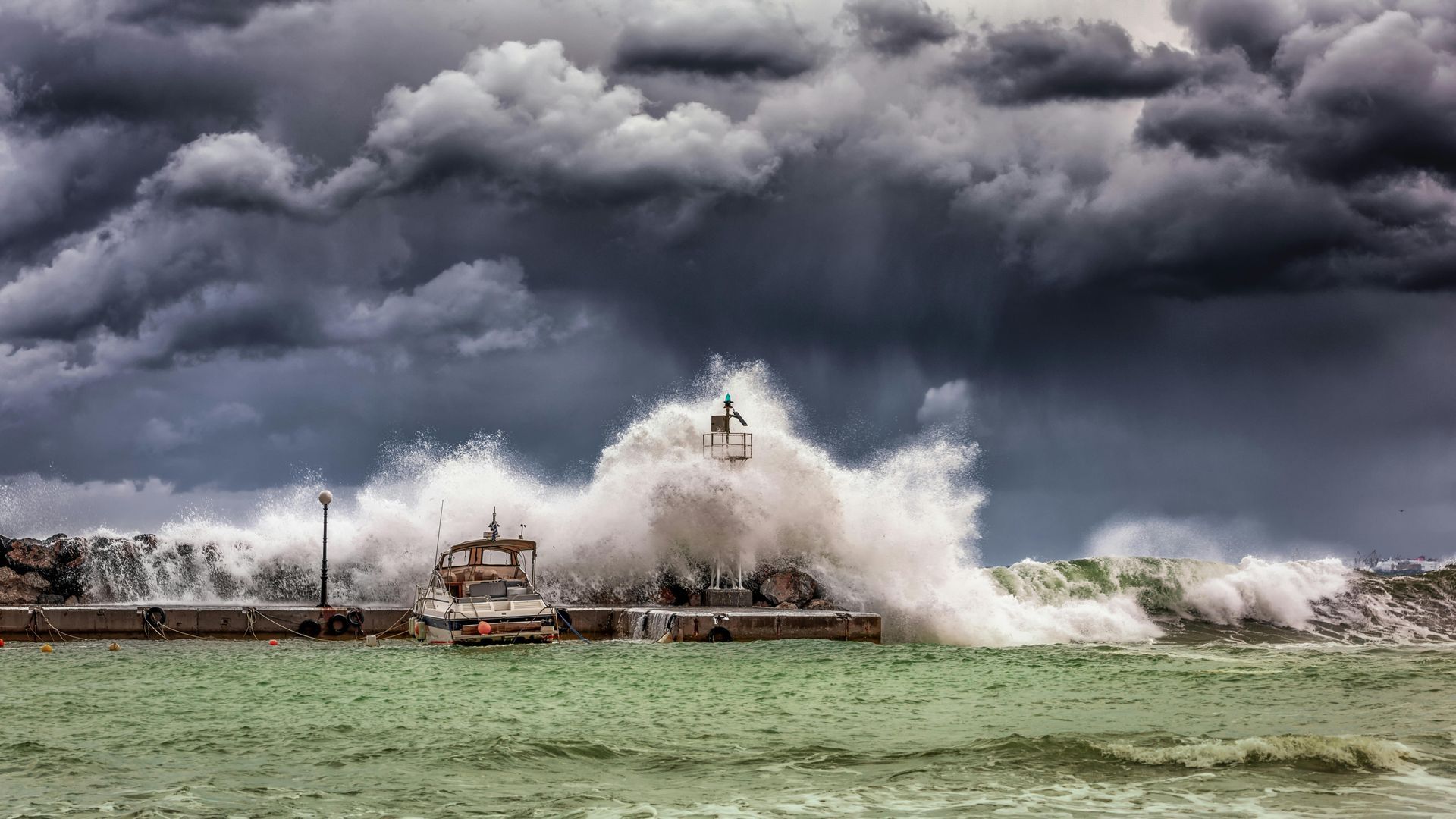
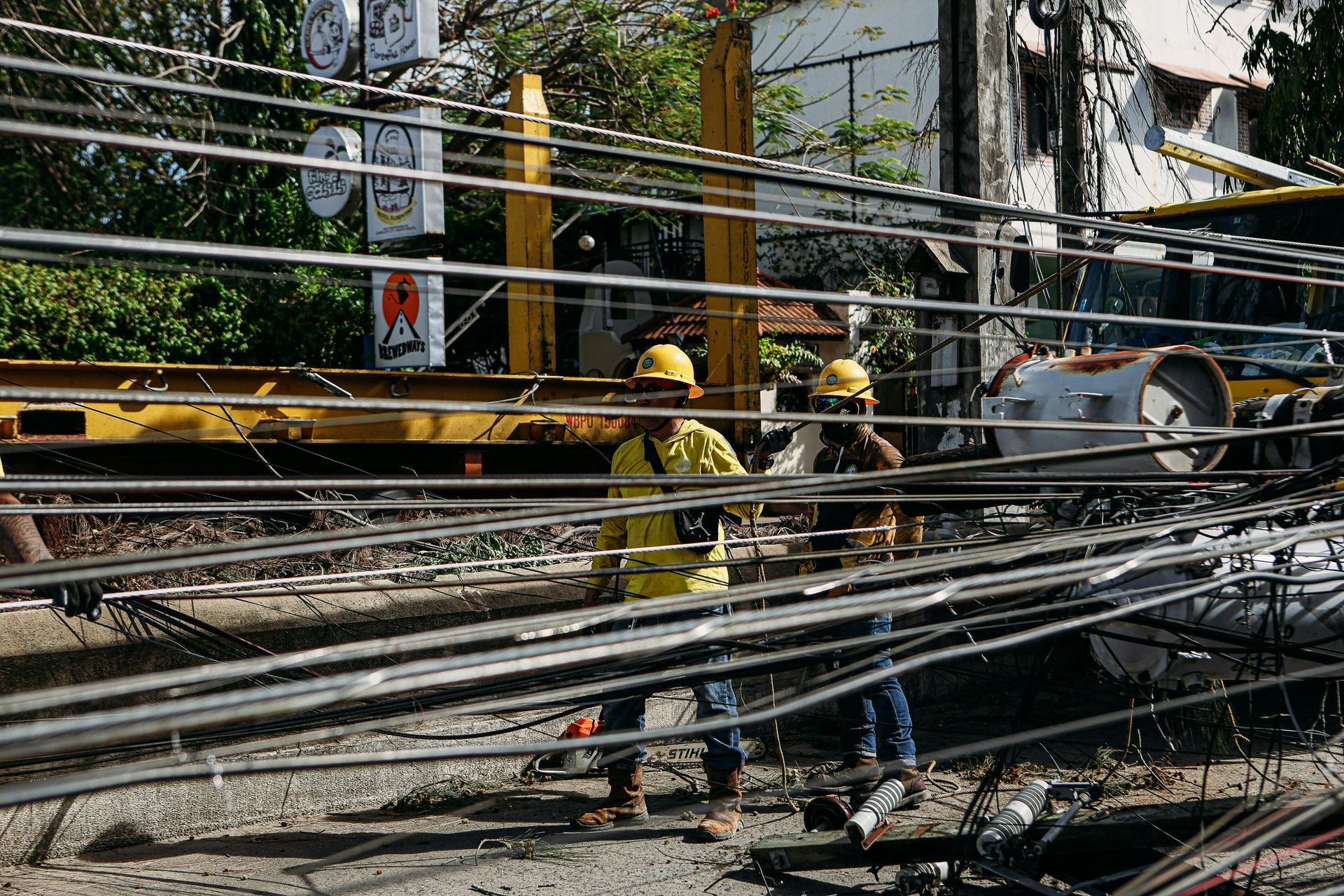
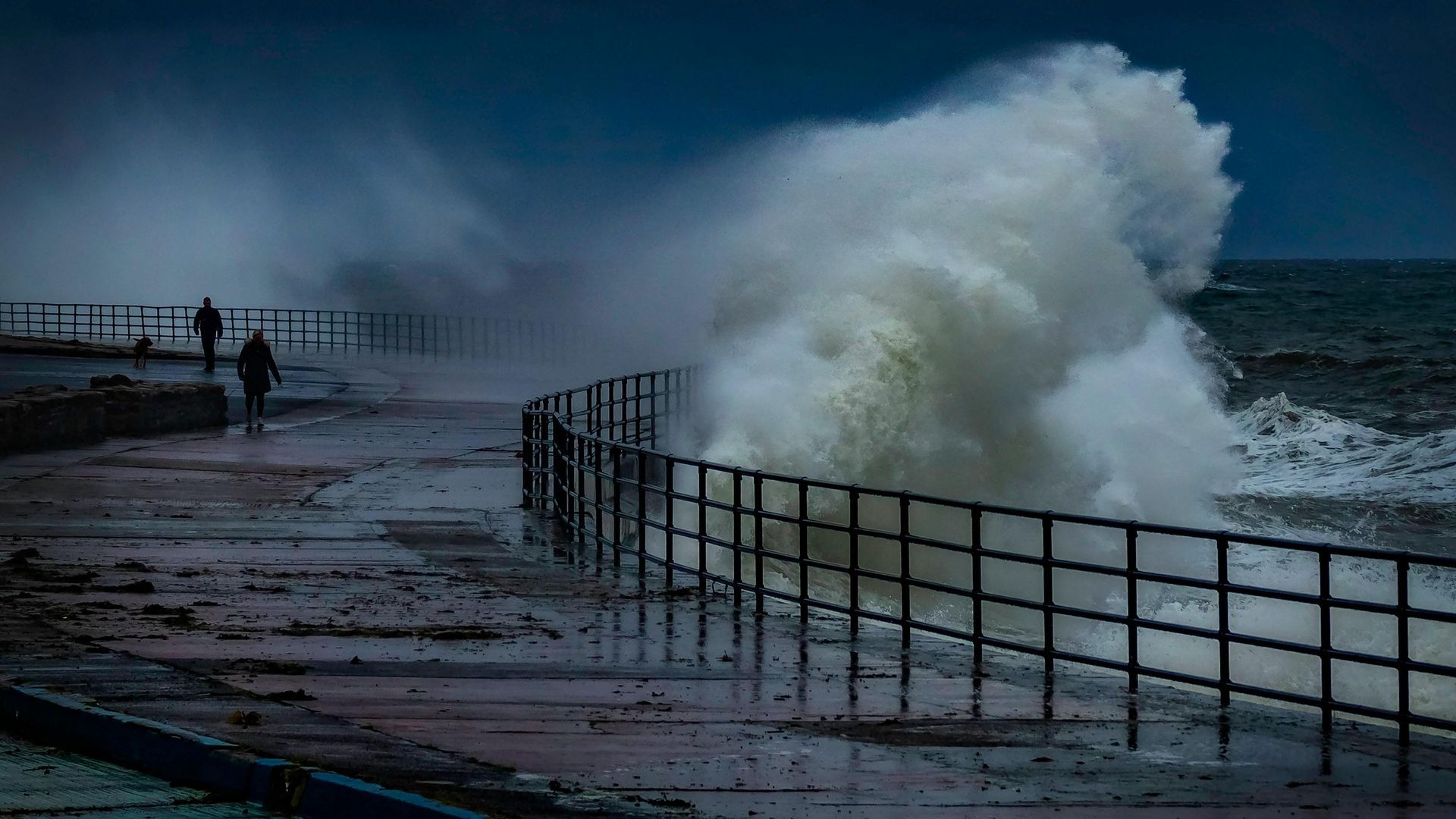
The North Oregon Coast is no stranger to winter windstorms. High winds can reach over 100 miles per hour at the headlands, often causing power outages. Fallen trees can close the major highways that connect the coast to inland resources or connect coastal communities with one another. Landlines and cell phone service can be disrupted. 


The resulting isolation means residents must be self-reliant until power and other services are restored. This process can take longer in our rural area than in urban environments. Unlike other types of disasters, we usually have a few days of warning that a powerful storm may be on its way.


Floods

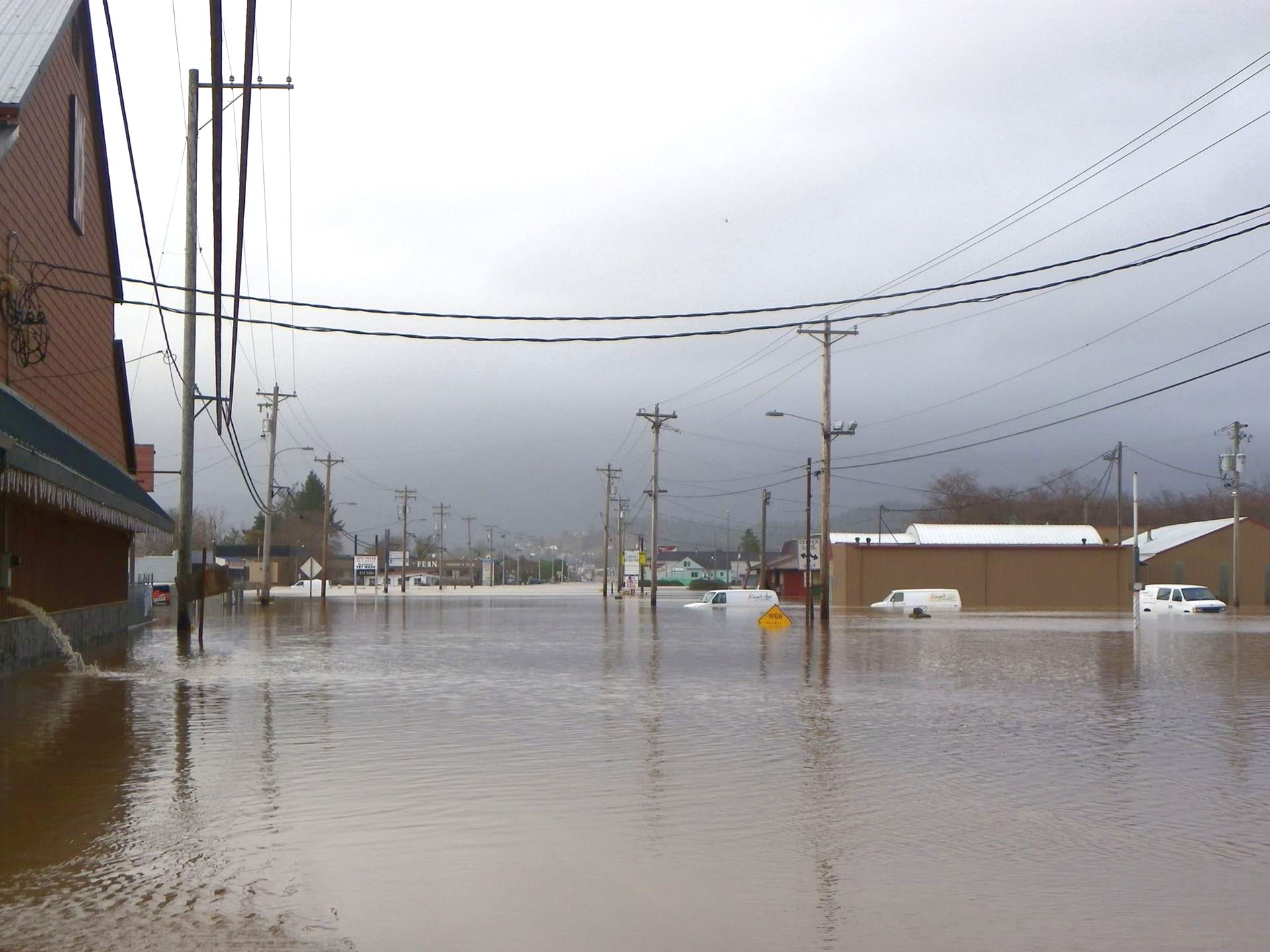
Source: Tillamook County Pioneer

This area is susceptible to serious flooding. Oceanside beach and Netarts Bay can become dangerous as outsized debris is tossed ashore from high waves. Highway 101 is susceptible to flooding, washouts, falling trees and downed power lines. Netarts can become isolated from Oceanside and Tillamook. 


Be aware of flood hazards no matter where you live, but especially if you live in a low-lying area. Even very small streams, gullies, creeks, culverts, dry stream beds or low-lying ground that appears harmless in dry weather can flood.


Turn Around; Don't Drown

Flooding is the most common and costly natural disaster in the U.S., and climate change, rising sea levels, wildfires, and changing precipitation patterns are increasing the number and intensity of extreme weather events with torrential rainfall. 


Source:  https://publichealth.jhu.edu/2024/the-dangers-of-floodwater


Photo Source: Tillamook County Pioneer


Know The Terms:

  • Flood Watch: Flooding is possible.
  • Flash Flood Watch: Flash flooding is possible. Be prepared to move to higher ground.
  • Flood Warning: Flooding is occurring or will occur soon; if advised to evacuate, do so immediately.
  • Flash Flood Warning: A flash flood is occurring; immediately seek higher ground on foot.

Landslides & Mudflows

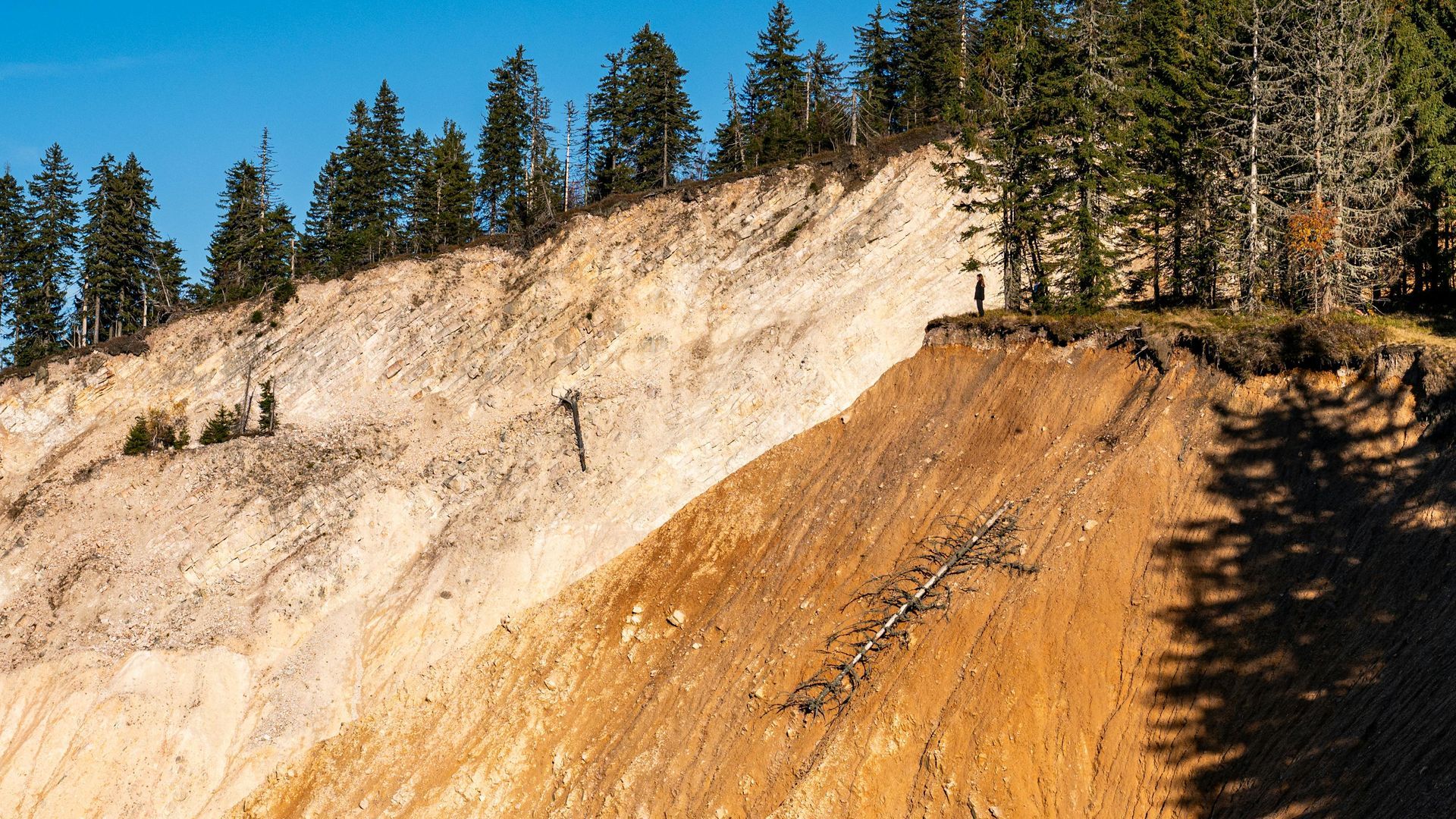
Landslides are primarily earth movement, while mudflow is caused by water picking up soil and turning it into mud. Landslides may be small or large, slow or rapid. They are activated by storms, earthquakes, fires and human modification of land, including clearcutting. 


Mudflows are rivers of rock, earth and other debris saturated with water. They develop when water rapidly accumulates in the ground, during heavy rainfall or rapid snowmelt, changing the earth into a flowing river of mud or “slurry.” They can flow rapidly, striking with little or no warning at avalanche speeds. We have areas in Netarts that are susceptible to slides and flows. Use caution, especially during and after heavy storms.


Power Outages

Every year, Netarts experiences power outages – sometimes short, sometimes lasting for several days. Loss of power can occur due to rolling blackouts, extreme weather conditions, or in connection with other disasters. As always, the best way to manage a power outage is to plan in advance. Have a supply of battery or hand-cranked light sources, and a supply of shelf-stable ready to eat foods. Consider a generator and a battery-operated or hand-crank NOAA radio. 


If there is no power in your neighborhood:

Turn off and unplug appliances and computers. Leave one light on to indicate when power has been restored. To conserve existing heat within the home, concentrate your activities in one or two adjacent rooms. Keep these areas isolated by closing doors.


Avoid using a gas or propane stove for heating, or operating generators indoors, including the garage. This could cause carbon monoxide (a colorless, odorless, tasteless gas) poisoning. If you use kerosene or propane space heaters, be sure to there is lots of space around them and fresh air ventilation. 

Food in an unopened refrigerator will be safe to eat for about four hours following a power outage. Food in a closed freezer will be safe for about 24 hours without power. 
After the power is restored:

  • When in doubt, throw it out! Throw away any food that has been exposed to temperatures 40 degrees or higher for two hours or more, or that has an unusual odor, color or texture.
  • If the power is out for more than a day, discard any medication that should be refrigerated, unless the drug’s label says otherwise. Consult your doctor or pharmacist immediately for a new supply.


Generator Safety

  • Generators can be helpful when the power goes out. It is important to know how to use them safely to prevent carbon monoxide (CO) poisoning and other hazards.
  • Generators and fuel should always be used outdoors and at least 20 feet away from windows, doors and attached garages.
  • Install working carbon monoxide detectors on every level of your home. Carbon monoxide is a colorless, odorless gas that can kill you, your family and pets.
  • Keep the generator dry and protected from rain or flooding. Touching a wet generator or devices connected to one can cause electrical shock.
  • Always connect the generator to appliances with heavy-duty extension cords.
  • Let the generator cool before refueling. Fuel spilled on hot engine parts can ignite.
  • Follow manufacturer’s instructions carefully.

Fires & Wildfires

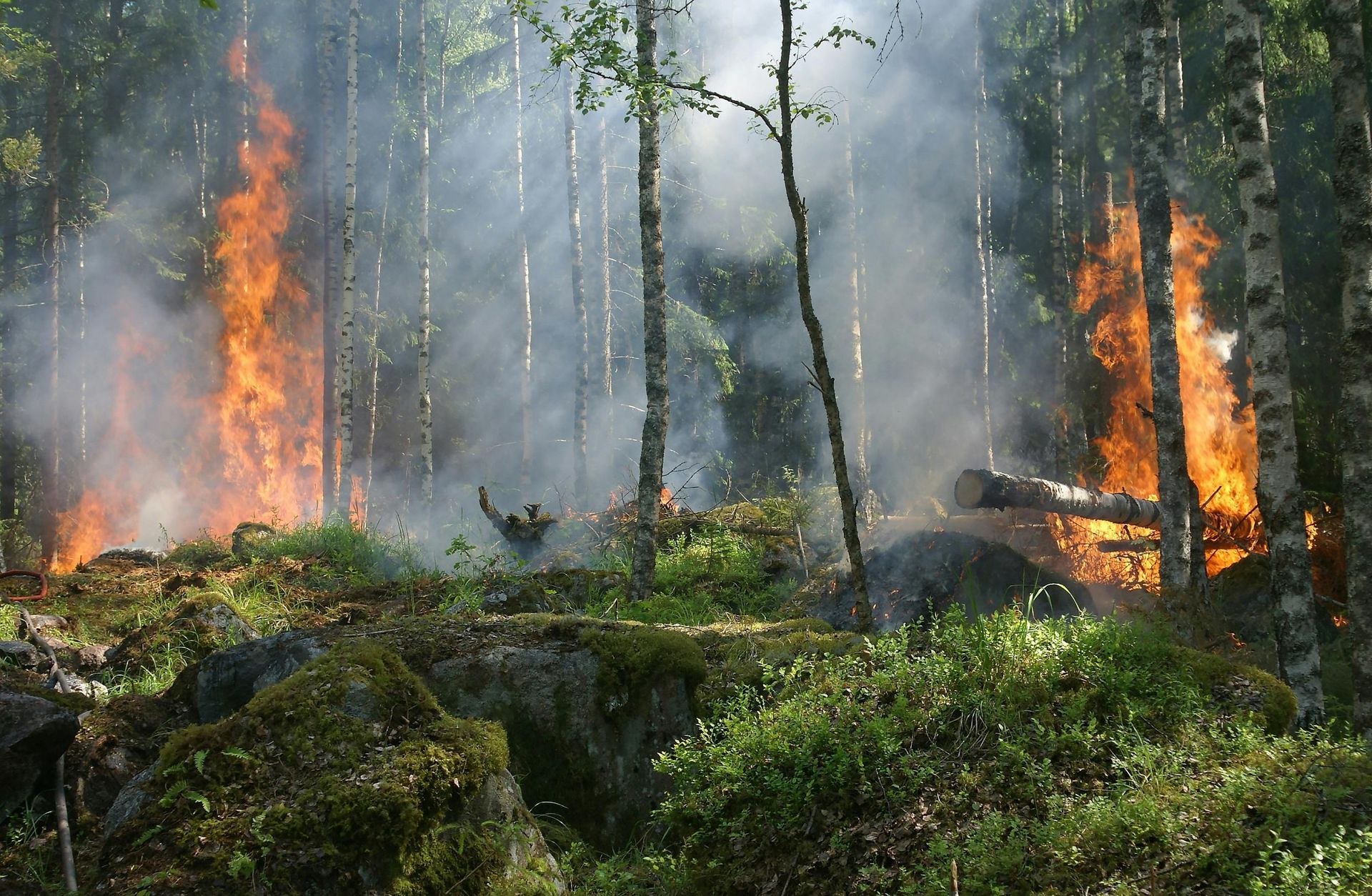
Fires and wildfires are a serious threat in our rural area. How can you be ready? 

  • Identify all exits from your home. Practice evacuation with your family.
  • Prepare your GoBag so you can respond when a fire occurs.
  • Install fire and smoke detectors in all bedrooms and near each potential ignition source (kitchen stove, furnace area) and test them regularly.
  • Keep the area immediately around your house clear of combustible materials.
  • Develop a fire safety plan for your home.
  • Learn how to prepare for and stay safe during a wildfire.
  • Learn about beach fire safety! Never build a fire near the brush line (stay 10 feet away), never leave a fire unattended, and never bury a fire.

Beach Fires

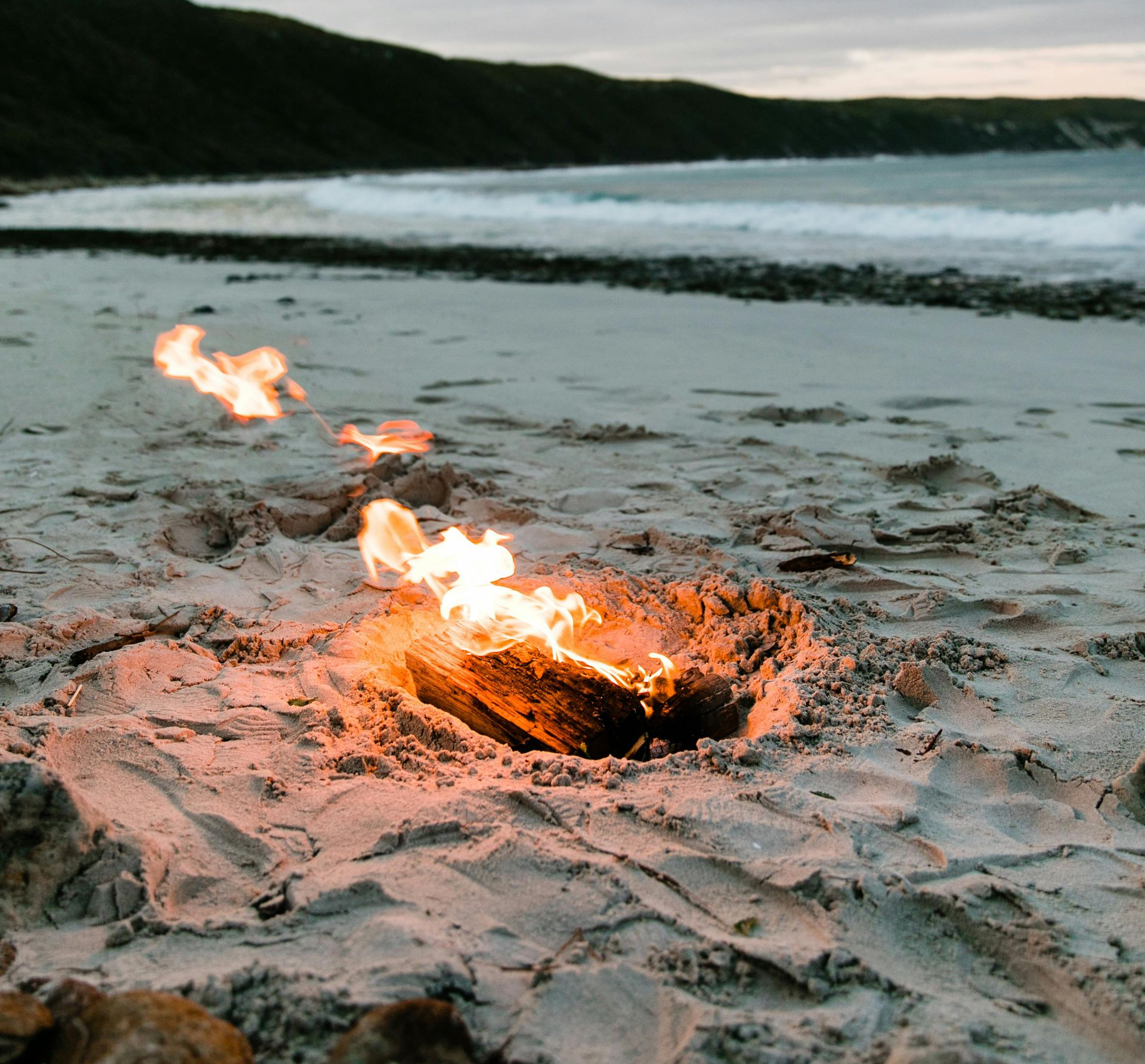
The danger from wildfires isn’t limited to Oregon’s forests.  Every year, wildfires are started from careless burning and failing to completely extinguish fires that spread from the beach into the grassy dunes and then into the vegetation and pine scrub above them. The winds off the ocean can fan these flames into nearby homes and businesses.


It is essential to follow safe beach fire practices: 

  • Check online for seasonal fire restrictions.
  • Keep beach fires below the high tide mark on the beach, never near the grassy dunes and vegetation.
  • Always control the fire, and douse with plenty of water prior to leaving. Pour water around the base of the fire pit, not directly on hot coals.
  • Do not cover beach fires with sand as this has potential to harm people or wildlife who step onto hot coals and allows possible flare ups to occur later.